Introduction
Gay marriage has become one of the most emblematic symbols of social progress and equality in Europe. The recent decision by the European Court of Justice regarding gay marriage marks a historic turning point for LGBTQ+ rights across the continent. From now on, all European Union member states are required to recognize same-sex marriages performed in another member state. This legal breakthrough, widely celebrated by human rights organizations, is a crucial milestone in the ongoing fight for equality, dignity, and respect for same-sex couples.
The Historical Context of Gay Marriage in Europe
From Tolerance to Legalization
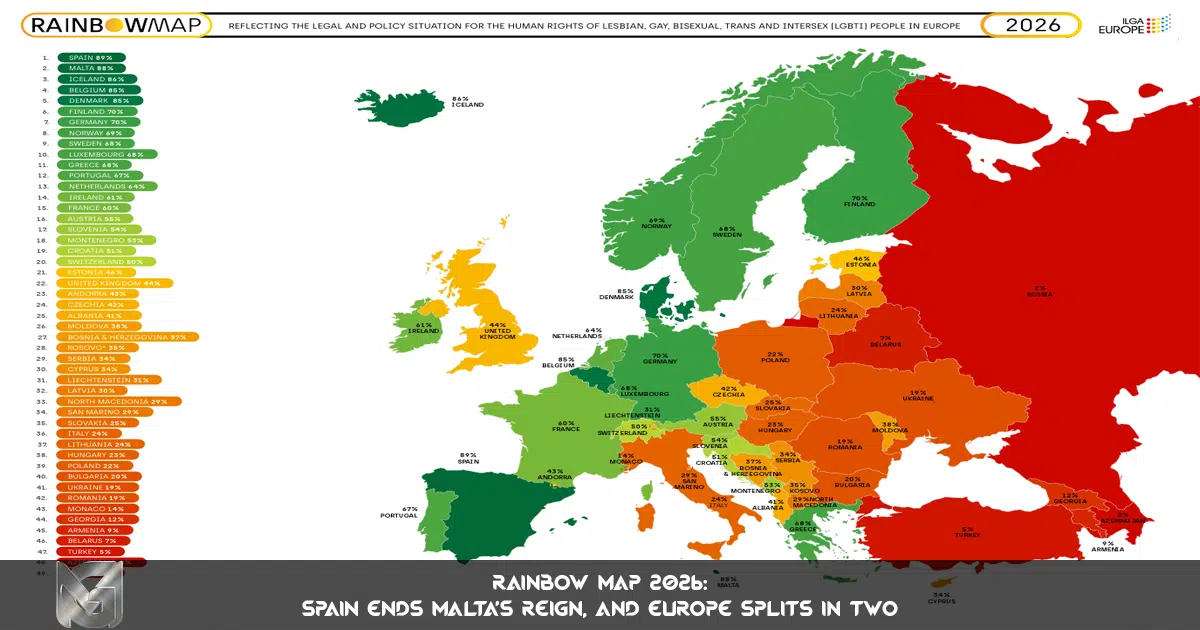
The journey toward the recognition of gay marriage in Europe has been long and complex. In the early 2000s, the Netherlands became the first country in the world to legalize gay marriage, setting a powerful precedent. Other countries, such as Belgium, Spain, and later France, followed suit, gradually expanding the rights of LGBTQ+ citizens. However, progress has been uneven. In several Eastern European countries, same-sex marriage remains controversial or outright banned, reflecting deep-rooted cultural and religious beliefs.
Legal Inconsistencies and Social Impact
This lack of uniformity has long created legal and social insecurity for same-sex couples. For example, a couple legally married in Amsterdam could lose all marital rights upon moving to Poland or Hungary, where gay marriage is not recognized. This situation led to discrimination in areas such as inheritance, social benefits, parental rights, and even residency status. As a result, many LGBTQ+ families faced uncertainty and instability, despite their legal union in another EU country.
The European Court of Justice’s Groundbreaking Decision
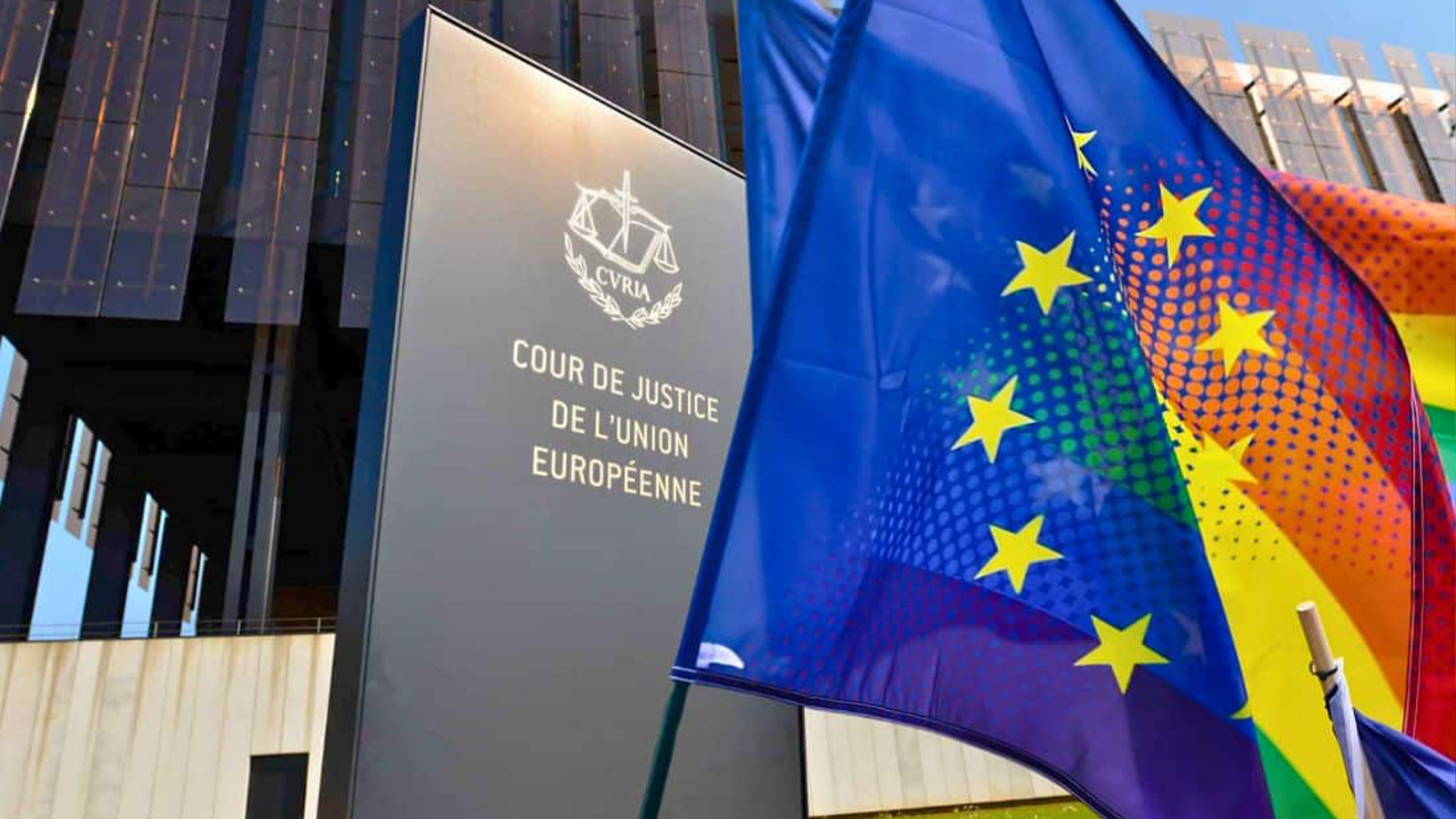
The European Court of Justice (ECJ) has now issued a clear and binding ruling: all member states must recognize same-sex marriages contracted in another EU country. The ECJ based its decision on the principles of free movement and the fundamental rights enshrined in European treaties. This means that gay marriage is now recognized across borders, and same-sex couples can enjoy their rights—such as social security, residency, and parenthood—wherever they live within the EU, without fear of discrimination based on sexual orientation.
Key Legal Arguments
The ECJ emphasized that the right to free movement within the EU cannot be restricted by national laws that refuse to recognize gay marriage. This ruling not only protects LGBTQ+ families but also reinforces the idea that fundamental rights must take precedence over local prejudices or political opposition.
A Decisive Step Forward for Equality
Protection and Stability for Families
Recognizing gay marriage at the European level is more than a legal technicality—it’s a decisive victory for equality and social justice. Same-sex families now have the assurance that their marital status and associated rights will be respected, regardless of where they choose to live or travel within the EU. This provides much-needed stability and protection for LGBTQ+ individuals and their children.
Encouraging Legislative Change
This breakthrough also sends a powerful message to countries that have not yet legalized gay marriage. The European Union, by requiring recognition, is encouraging those states to reconsider their national legislation and align with broader European values of equality and human rights.
Reactions and Societal Perspectives
Support from LGBTQ+ Associations and Political Leaders
LGBTQ+ organizations, activists, and many political leaders have welcomed the ECJ’s decision as a step toward universal rights and the end of institutional discrimination. They see it as a validation of years of activism and as a foundation for further progress.
Reservations from Conservative Governments
Conversely, some conservative governments have expressed reservations, arguing that the decision infringes on national sovereignty and cultural values. The debate around gay marriage and the scope of European law is likely to remain active, especially in countries where opposition is strong.
Practical Implications for Same-Sex Couples
Real-Life Scenarios
Thanks to this decision, a couple married in Madrid, Paris, or Amsterdam can now have their marital status recognized in Warsaw, Budapest, or Bucharest. This recognition affects access to social rights, inheritance, adoption, parenthood, taxation, and legal protection. Gay marriage thus becomes a true vehicle for equality and stability for LGBTQ+ families throughout Europe.
Administrative and Social Changes
Public administrations across the EU will need to adapt their procedures to ensure compliance with the new legal requirements. This may include updating forms, training staff, and revising legal documents to reflect the new reality of gay marriage recognition.
A Model for the Rest of the World?
The ECJ’s ruling could inspire other regions where recognition of same-sex couples remains a struggle. Europe asserts itself as a space of social progress and respect for human rights, offering an example for more reluctant countries to follow. The decision may also influence debates at the United Nations and in other international organizations.
Conclusion: A New Chapter for Equality in Europe
The European Court of Justice’s decision on gay marriage opens a new chapter for equal rights on the continent. By requiring all member states to recognize same-sex marriages, the European Union reaffirms its commitment to dignity, freedom, and respect for all. While challenges remain, this historic step represents hope and progress for millions of LGBTQ+ people and their families.
For comments or projects, please contact me.