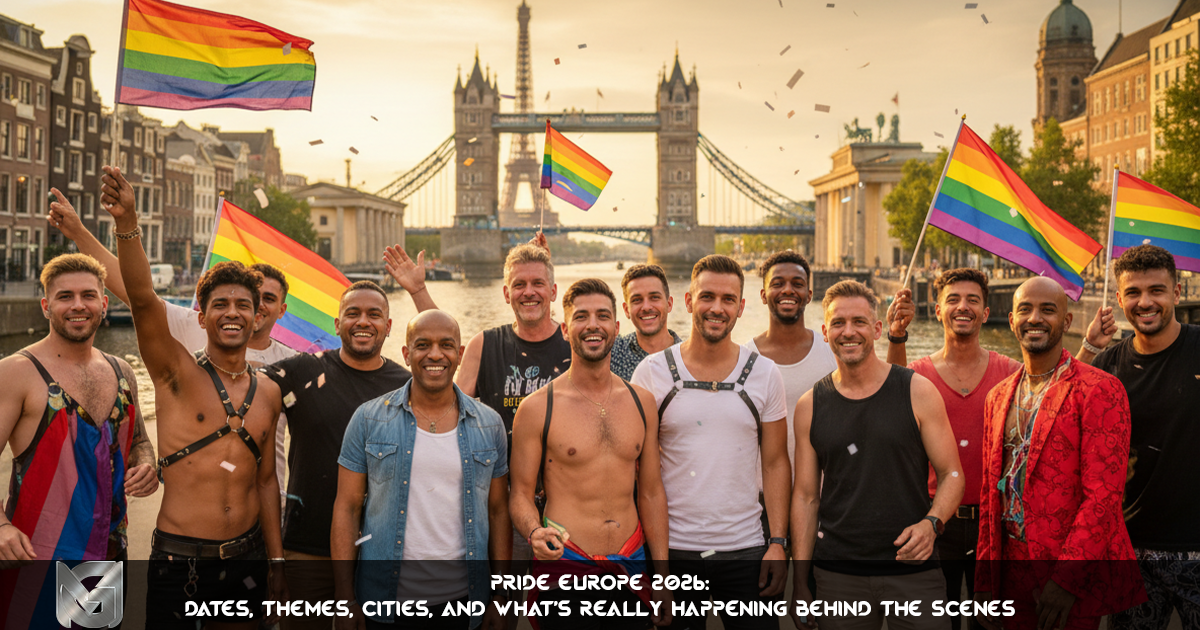
Pride season is never just a party. It’s a thermometer for our rights, our visibility, and the mood of a continent. In 2026, that’s truer than ever. Pride Europe 2026 is shaped by a tense political climate in parts of Europe, tighter security in some cities, and a renewed push by organisers to keep Pride both joyful and uncompromising.
This guide focuses on major European hubs, what makes each city emblematic, and the practical realities people don’t always see, from permits and policing to sponsorship debates and community fatigue. Where official 2026 details are not yet confirmed, we say so clearly.
Why Pride Europe 2026 matters more than a calendar
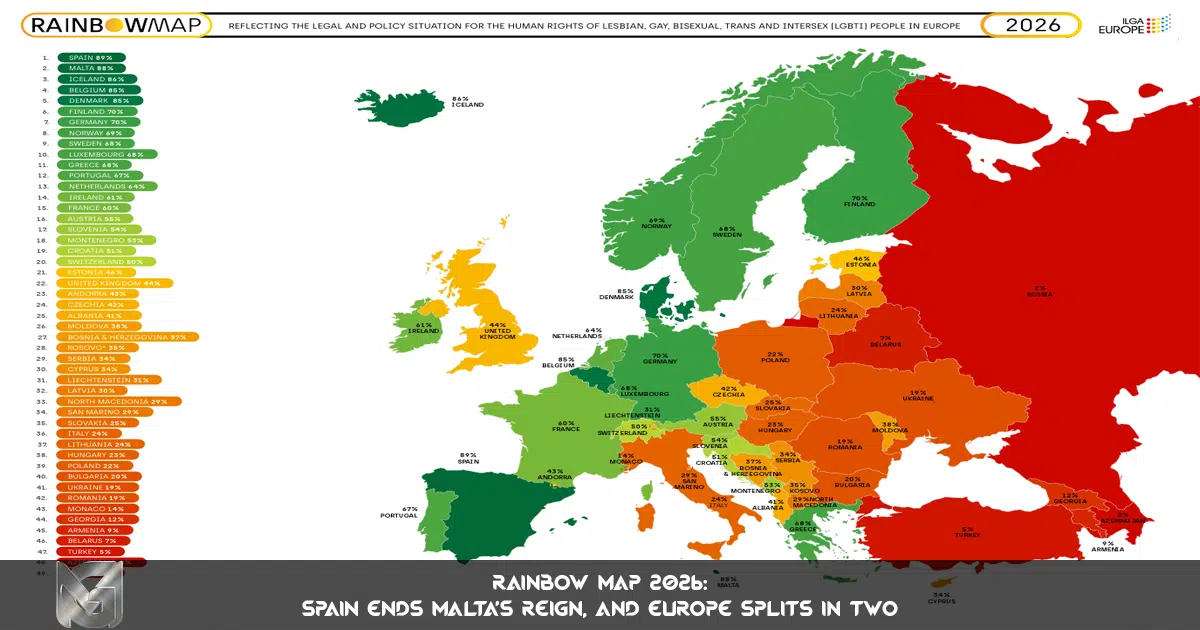
Across Europe, Pride has become a frontline. In some places it’s a celebration backed by city halls, in others it’s a march that must be defended, negotiated, or rebuilt after bans and intimidation. Pride Europe 2026 also reflects a generational shift: younger activists pushing for stronger political messaging, and long-time organisers trying to keep events financially viable without losing their soul.
Three big forces are shaping this year:
Security and safety: more visible policing, new crowd-control rules, and higher costs.
Politics and backlash: attempts to restrict LGBTQ+ expression in public life, and the counter-mobilisation that follows.
Community expectations: less tolerance for pinkwashing, more demand for accessibility, inclusion, and transparency.
Amsterdam: a Pride built on water, but anchored in politics
Amsterdam remains one of the most recognisable Pride destinations in Europe, largely thanks to its canal parade and its international pull. For Pride Europe 2026, the city’s strength is its ability to combine spectacle with a strong civic infrastructure.
What makes Amsterdam emblematic
The canal parade creates a uniquely “Amsterdam” Pride language: floating stages, curated crews, and a city that becomes a set.
A long tradition of LGBTQ+ visibility in public space.
Behind the scenes: what visitors don’t see
The canal parade is logistically intense: safety rules, boat approvals, route management, and strict timing.
Sponsorship is always a balancing act. Amsterdam attracts major brands, and organisers are under constant pressure to prove that partnerships do not dilute the political message.
Berlin: Pride with teeth, and a city that never stops debating itself
Berlin Pride (CSD) is often framed as Europe’s most politically explicit Pride. It’s also one of the most internally debated, with parallel events and activist critiques.
Why Berlin stays central in Pride Europe 2026
Berlin’s Pride is tied to a broader culture of protest and political street presence.
The city’s queer history, nightlife, and fetish/leather scenes are not side notes, they’re part of the identity.
Anecdotes and tensions
Berlin frequently sees debates over policing, corporate floats, and who gets to speak on the main stage.
There’s often a visible split between “festival Pride” and “march Pride”, and both claim legitimacy.
Practical realities
Security costs can be heavy, and organisers must negotiate with authorities while keeping activist trust.
Accessibility and crowd management are major concerns, especially around central routes.
London: massive visibility, tight logistics, and a city under pressure
London Pride is a scale event, and that scale comes with constraints. For Pride Europe 2026, London remains a magnet, but also a case study in how hard it is to run a Pride in an expensive, heavily regulated capital.
What makes London emblematic
High visibility in global media.
A diverse crowd that reflects the city’s international LGBTQ+ population.
Difficulties organisers face
Road closures, stewarding, insurance, and security planning are enormous.
The cost-of-living crisis affects volunteers and community groups, not just attendees.
What’s changing
Increased focus on safer spaces, anti-harassment policies, and clearer reporting mechanisms.
Ongoing debates about sponsorship, especially when brands are seen as opportunistic.
Madrid: a street festival that still carries activist DNA
Madrid Pride is famous for its scale and heat, both literal and political. It’s one of the most intense Pride weeks in Europe, with a strong street culture and a party reputation that doesn’t erase its activist roots.
Why Madrid is a pillar of Pride Europe 2026
The city has a long tradition of mass participation.
Pride is embedded in neighbourhood life, especially around Chueca.
Behind the scenes
Crowd density is a constant challenge.
Noise, permits, and resident relations require careful negotiation.
The mood
Madrid often feels like a release valve: joy as resistance. In Pride Europe 2026, that emotional function matters.
Barcelona: Pride, tourism, and the fight to keep community at the centre
Barcelona’s Pride sits at the intersection of local queer life and a city shaped by tourism. That creates both opportunity and friction.
What makes Barcelona emblematic
A strong Mediterranean Pride aesthetic: outdoor events, beaches, and late-night culture.
A constant conversation about who Pride is for: locals, visitors, or both.
Key difficulties
Managing commercialisation without alienating community groups.
Ensuring inclusion beyond the most visible, marketable parts of queer culture.
Antwerp and Brussels: Belgium’s steady backbone
Belgium often flies under the radar compared to its neighbours, but it has a consistent Pride ecosystem.
Why they matter in Pride Europe 2026
Strong institutional frameworks and a generally supportive civic environment.
A practical approach to organisation, with emphasis on safety and accessibility.
What to watch
How organisers keep Pride politically relevant in a context where rights can feel “settled”, even as backlash rises elsewhere.
Fetish and leather: not a side scene, a cultural engine
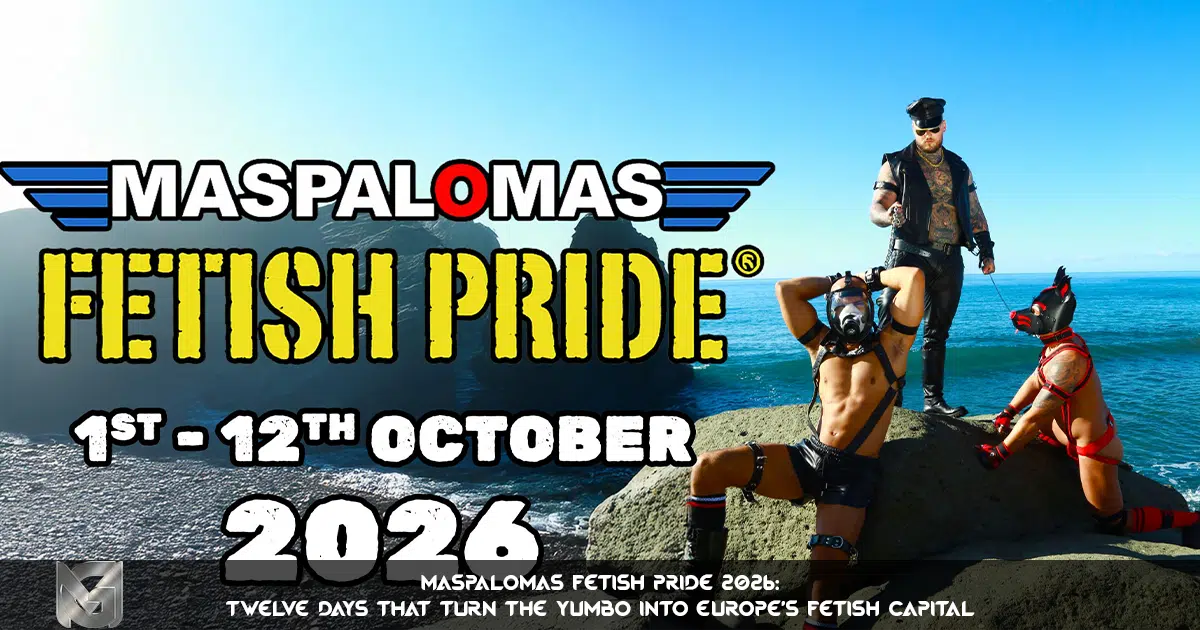
For many gay men, fetish and leather events are not fringe entertainment. They’re community infrastructure: spaces of belonging, sexual culture, harm reduction, and chosen family.
In Pride Europe 2026, fetish/leather visibility remains a recurring debate. Some cities integrate it openly, others keep it at arm’s length for “image” reasons. That tension is political.
What’s changing
More explicit consent and safer-sex messaging integrated into events.
Ongoing stigma, even within LGBTQ+ spaces, that organisers must actively counter.
Practical advice: how to do Pride Europe 2026 without burning out
Pride season can be euphoric, but it can also be exhausting, expensive, and emotionally intense.
Plan your transport early: major cities sell out.
Choose your nights: you don’t have to do everything.
Prioritise safer sex: carry what you need, know local testing options.
Protect your phone and documents: crowded events attract theft.
Know your exits: especially at large outdoor stages.
Cities to watch (official 2026 details not yet confirmed)
To keep editorial standards tight, here are major cities we’re tracking, but where specific Pride Europe 2026 dates/themes/routes were not clearly confirmed via official sources at the time of writing:
Paris (Île-de-France): major Pride, but 2026 details to be confirmed.
Rome: large Pride presence, 2026 details to be confirmed.
Vienna: strong Pride ecosystem, 2026 details to be confirmed.
Prague: important Central Europe hub, 2026 details to be confirmed.
Warsaw: politically significant Pride, 2026 details to be confirmed.
Pride Europe 2026 is not one story, it’s dozens of local battles and celebrations happening at once. In the best cities, Pride still feels like a promise: that we can take space, protect each other, and stay visible even when the political weather turns.
For comments or projects, please contact me.