
Introduction
Gay health is a major concern within the LGBTQ+ community. While HIV prevention remains a priority, other essential aspects such as mental health and access to inclusive care are gaining increasing attention in public debate and within associations. Today, gay health is understood holistically: it is a fundamental right, but also a collective struggle to ensure everyone can live fully, without stigma or discrimination.
HIV Prevention: Where Are We in 2026?
Medical Advances and PrEP
HIV prevention remains at the heart of gay health concerns. Since the introduction of PrEP (pre-exposure prophylaxis), substantial progress has been made. This preventive treatment, now widely available in Europe, has helped reduce new infections among men who have sex with men (MSM).
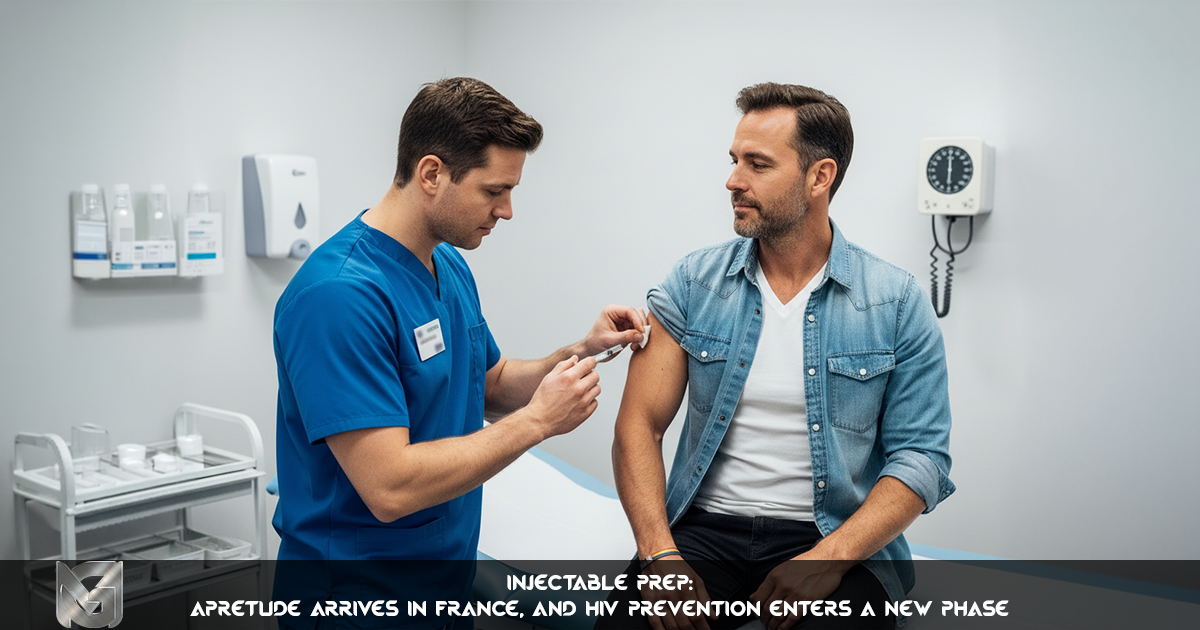
PrEP, taken daily or on demand, acts as a true shield against HIV. Recent studies confirm its effectiveness, with more than a 90% reduction in infection risk when taken properly. At the same time, research continues to innovate, with the emergence of long-acting injectable treatments that could revolutionize prevention.
But prevention doesn’t stop there: regular testing, information about STIs, and fighting against serophobia remain major action points.
Awareness Campaigns
Associations, media, and influencers are joining forces to raise public awareness about the importance of testing and prevention. Innovative campaigns, often festive and uninhibited, reach a young and connected audience. The message: gay health means knowing your HIV status and having access to prevention tools tailored to everyone.
Events like Testing Weeks, rapid testing nights in bars or dating apps, and collaborations with LGBTQ+ artists or personalities help make prevention more visible and accessible.
Mental Health: Breaking the Taboo in the Gay Community
An Issue Still Too Little Known
Mental health, an essential component of gay health, is still too often put on the back burner. Yet LGBTQ+ people are at higher risk of anxiety, depression, and even suicide due to stigma, family or social rejection, and persistent discrimination. Coming out, internalized homophobia, or lack of positive role models can also lead to feelings of isolation or distress.
Recent studies show that the prevalence of psychological disorders is higher among gay and bisexual men compared to the general population. Taking care of mental health is therefore a key issue in gay health.
Initiatives and Resources
In response, many associations have developed listening and psychological support services. Support groups, drop-in centers, and low-cost counseling help break isolation and encourage open discussion. The goal: remind everyone that seeking help is neither a weakness nor a shame, but an act of courage and kindness toward oneself.
Social networks also play a key role: awareness campaigns, testimonials, dedicated hashtags… They help destigmatize mental health and guide people to suitable resources. Additionally, specialized platforms list “gay-friendly” professionals, ensuring a non-judgmental welcome.
Finally, public authorities and the media are starting to address the issue. National campaigns encourage prevention and access to adapted psychological care, while local initiatives like psycho cafés or wellness workshops are flourishing in major European cities.
Access to Inclusive Care: A Fundamental Right
Persistent Obstacles
Even in 2026, access to inclusive care remains a challenge for many in the gay community. Many hesitate to confide in their doctor for fear of being judged, misunderstood, or discriminated against. This invisibility can lead to delayed diagnoses, inappropriate care, or even complete avoidance of healthcare.
Healthcare professionals are not always trained in the specificities of gay health: considering sexuality in prevention, understanding specific risks, and respecting each patient’s identity and experience. These gaps still hinder access to comprehensive and compassionate care.
Toward More Inclusive Medicine
Fortunately, things are changing. More and more training is being offered to healthcare providers to better understand LGBTQ+ realities. Community health centers, sometimes run by and for the community, are emerging in major cities. They provide a safe space where everyone can freely discuss their gay health, practices, and needs.
Initiatives like listing inclusive doctors, creating guides for healthcare providers, and raising public awareness are helping to change mindsets. The goal: that everyone, regardless of orientation or identity, can access quality care without fear or taboo.
Conclusion: Gay Health, a Collective Responsibility
Gay health can only progress through collective commitment. Associations, public authorities, healthcare professionals, media… everyone has a role to play in preventing, informing, supporting, and including. But it’s also up to each member of the community to take care of themselves and others, to speak up, seek help, get informed, and support initiatives that advance gay health.
By joining our efforts, we build a fairer, more inclusive, and healthier society for all.
For comments or projects, please contact me.