Introduction: Gay Kings, Epiphany, and the Revelation of Forgotten Figures
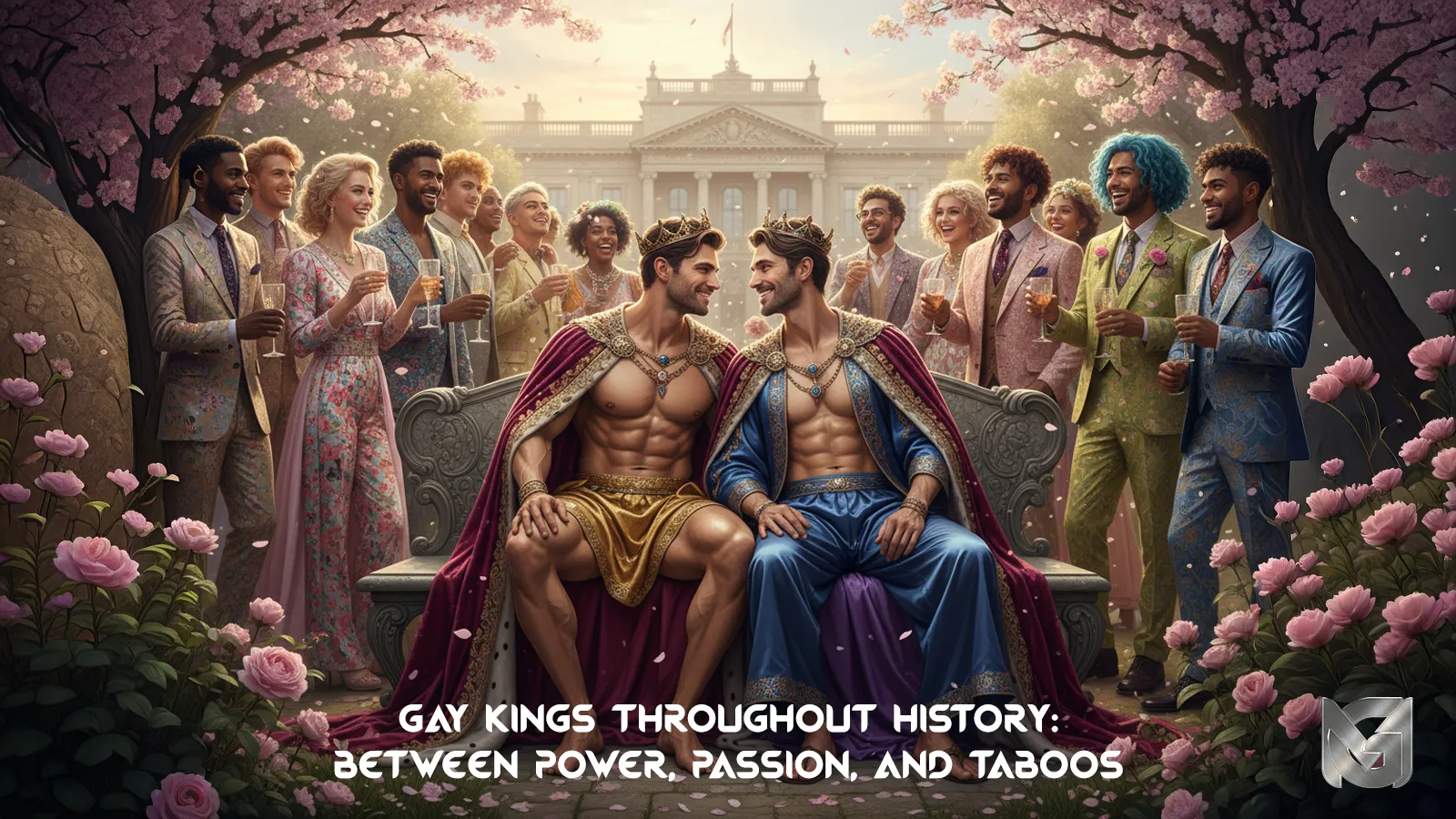
Epiphany, the festival of light and revelation, celebrates the arrival of the Magi every year. But what if we used this special time to shed light on another side of royalty: that of gay kings? Between legends, historical realities, and taboos, let’s dive into the fascinating history of these rulers whose love and intimacy were often hidden, but who are now becoming an integral part of our collective memory. The Kings Gay have existed across centuries and continents, leaving a mark that deserves to be brought out of the shadows and into the light.
When History Reveals Gay Kings
The First Clues in Antiquity
Antiquity is filled with royal figures whose love lives still intrigue historians and the LGBTQ+ community today. Alexander the Great, King of Macedonia, is undoubtedly one of the most iconic Kings Gay. His passionate relationship with Hephaestion, his most loyal companion, has stood the test of time and remains a subject of fascination. Although the term “Gay Kings” did not exist in ancient times, the closeness and intimacy between these two men are widely recognized by scholars. Other rulers, such as the Roman Emperor Hadrian, known for his deep affection for Antinous, also illustrate how love between men has shaped history, even at the highest levels of power.
The Middle Ages and Renaissance: Between Love, Power, and Scandal
Throughout the Middle Ages and the Renaissance, the private lives of European monarchs were often scrutinized and sometimes scandalized. Edward II of England, famous for his relationship with Piers Gaveston, is a prime example of a King Gay whose love life became a matter of public intrigue and political conflict. Richard the Lionheart, whose close bond with Philip Augustus of France fueled many rumors, and Henry III of France, surrounded by his “mignons,” further illustrate how the question of Gay Kings has crossed eras. Their sexuality, often a source of scandal or misunderstanding, highlights the tension between personal identity and public expectation in royal courts.
The Modern Era: Between Secrets and Confidences
In the modern era, the history of Kings Gay continues with figures such as Frederick II of Prussia and Ludwig II of Bavaria. Both are often cited as notable Gay Kings, with correspondence and personal preferences that were sometimes hidden but have since come to light. Alfonso XIII of Spain and Gustav III of Sweden also join the ranks of monarchs whose sexual orientation has been the subject of debate, speculation, and eventual recognition. These Kings navigated a world where homosexuality was increasingly criminalized, yet their stories have survived, contributing to the broader tapestry of LGBTQ+ history.
Gay Kings: Between Taboos, Discretion, and Recognition
The Challenges of Secrecy and Discretion
Most homosexuals Kings were forced to live their love lives in secrecy, as homosexuality was frequently condemned or even criminalized by law and religion. Chronicles and rumors, sometimes amplified by political rivals or moral authorities, helped maintain an aura of mystery around their private lives. The need for discretion marked their existence, compelling them to develop secret codes, trusted confidants, and hidden spaces where their true selves could emerge, if only briefly.
Gay Kings and Collective Memory
Today, recognizing homosexual Kings in history is vital for a fuller understanding of human diversity. Their stories, far from being mere anecdotes, remind us that love and desire have never belonged to just one era, one culture, or one orientation. By tracing the lives of Kings, we also give voice to those who, from the shadows, have shaped the LGBTQ+ community’s collective memory and inspired generations.
Gay Kings and Popular Culture
Inspiring Figures for the LGBTQ+ Community
homosexual Kings have become emblematic figures for the LGBTQ+ community, embodying resilience, courage, and authenticity. Their journeys now inspire countless artistic works, films, novels, and television series that revisit their lives in more inclusive and authentic ways. By reclaiming the narratives of Kings, the LGBTQ+ community finds historical role models who challenge stereotypes and offer hope for greater acceptance and understanding.
Epiphany: A Symbol of Revelation and Diversity
Connecting Epiphany with the revelation of Gay Kings is a powerful way to celebrate diversity and the light that each story brings to our shared heritage. By highlighting Gay Kings during this festival, we contribute to building a more inclusive historical narrative and remind ourselves that LGBTQ+ visibility belongs at the heart of our cultural memory. Epiphany thus becomes not only a celebration of spiritual revelation but also a moment to honor the courage and authenticity of homosexuals Kings throughout history.
Gay Kings in Art, Literature, and Society
Revisiting and Rehabilitating Forgotten Stories
Interest in homosexuals Kings continues to grow, whether in academic research, literature, or cinema. Biographies, historical novels, and documentaries are increasingly devoted to these rulers, allowing for a reevaluation of their lives and a better understanding of the challenges they faced. The Kings are thus emerging as subjects of study and admiration, at the crossroads of history, art, and contemporary struggles for equality.
A Legacy for Future Generations
Recognizing and celebrating Gay Kings also provides positive and inspiring figures for young LGBTQ+ people. Their stories demonstrate that love between men has always existed, even at the highest echelons of power. This legacy helps to break down prejudices, foster acceptance, and encourage all individuals to embrace their identities with pride.
Conclusion: Gay Kings, Between Shadow and Light
The history testifies to the richness and complexity of human emotions throughout the ages. In this season of Epiphany, let us celebrate the diversity of royal journeys and the strength of those who, despite taboos and adversity, have left an indelible mark on history through their courage and authenticity. Gay Kings embody a legacy of light, resistance, and inspiration a heritage to (re)discover and pass on for a more inclusive and respectful society, where every identity finds its rightful place.
For comments or projects, please contact me.