Introduction
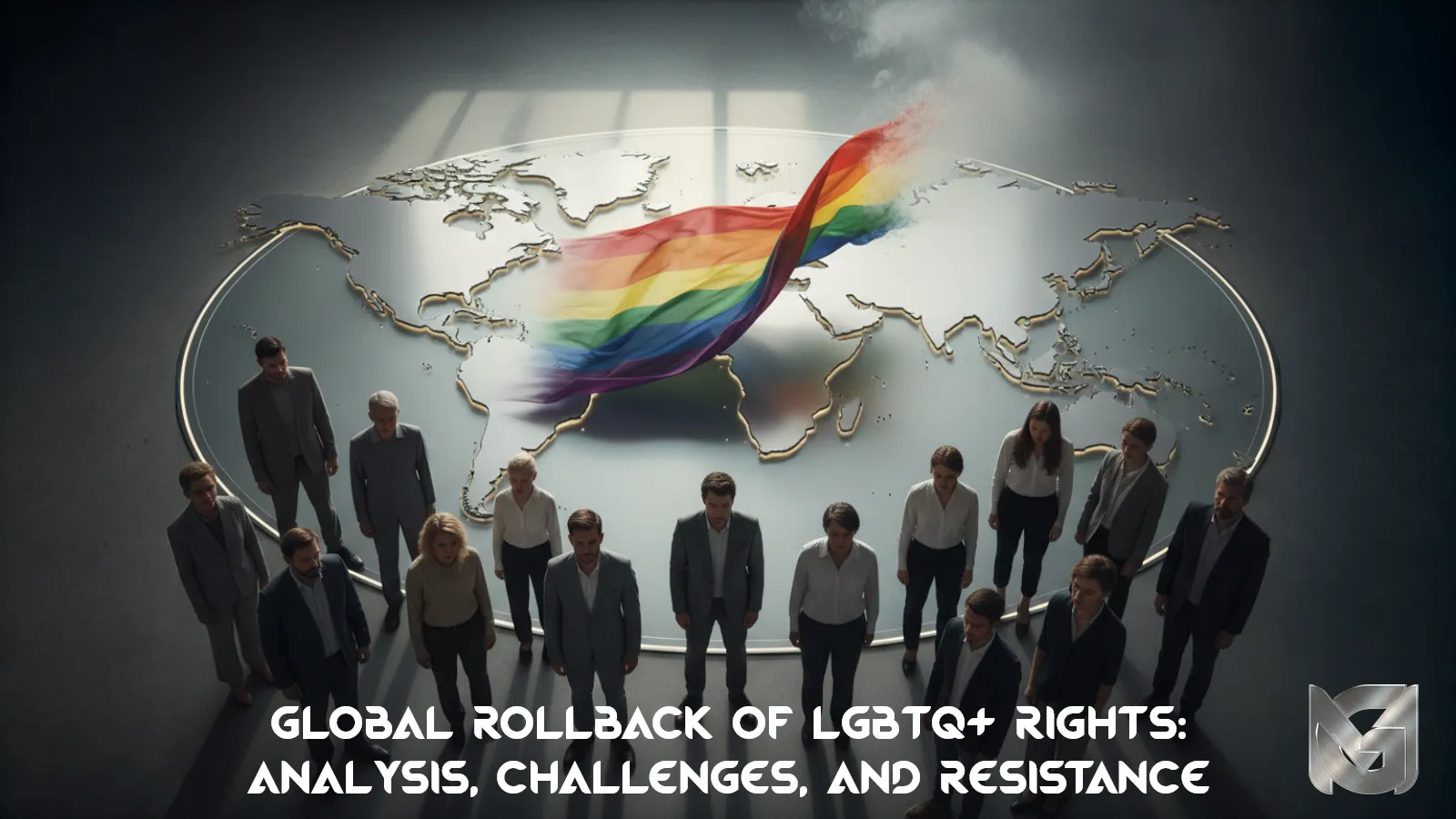
Rollback of LGBTQ+ Rights has become a defining issue since 2024, as the LGBTQ+ community faces a worldwide wave of setbacks, marked by stricter laws, rising hate, and a questioning of fundamental rights. This trend, fuelled by a conservative surge, affects Europe, the Americas, Asia, and Africa impacting daily life, safety, and health for LGBTQ+ people. This article provides a comprehensive analysis of this rollback, its deep-rooted causes, real-world consequences, and the forms of resistance emerging globally.
1. International Political Context: The Rise of Conservatism
Since the pandemic, many governments have tightened their grip, encouraging identity-based rhetoric. In Eastern Europe (Hungary, Poland, Georgia), the United States, Russia, the Middle East, and Africa, populist parties have made the fight against so-called “gender ideologies” a political weapon. The return of Donald Trump to the American political scene, the radicalization of the British right, and the Kremlin’s strategy in Russia have all accelerated the questioning of LGBTQ+ progress, contributing to the Rollback of LGBTQ+ Rights.
2. Regressive Laws and Increased Criminalization
Between 2024 and 2026, several countries have passed or reinforced anti-LGBTQ+ laws, fueling the Rollback of LGBTQ+ Rights:
- Hungary: restrictions on adoption, censorship of LGBTQ+ content, ban on gender markers in civil status documents.
- Georgia: total ban on gender transition, criminalization of pro-LGBTQ+ speech.
- Russia: expanded “anti-gay propaganda” laws to all ages, closure of NGOs.
- Kazakhstan: draft law to ban “promotion of non-traditional orientations.”
- Uganda and Ghana: strengthened criminalization, prison sentences, even the death penalty.
- United States: proliferation of anti-trans laws in Republican states (healthcare access, sports, education), attacks on drag shows, and challenges to federal protections.
In total, over 64 countries still criminalize homosexuality, and the trend is rising. These developments are central to the Rollback of LGBTQ+ Rights observed worldwide.
3. Consequences for LGBTQ+ Lives
The Rollback of LGBTQ+ Rights has direct impacts:
- Mental health: increased anxiety, depression, isolation, and suicide rates among youth.
- Healthcare access: denial of treatment, stigma against trans and HIV-positive people.
- Violence: rising attacks, normalized hate speech, murders of LGBTQ+ individuals.
- Censorship: self-censorship in media, schools, social networks, and fear of visibility.
- Family life barriers: restrictions on adoption, parenting, and partnership rights.
4. Drivers of the Backlash
The Rollback of LGBTQ+ Rights is driven by:
- Political instrumentalization: mobilizing conservative voters, diverting attention from economic crises.
- Religious influence: Orthodox, evangelical, and Islamist groups fueling minority demonization.
- Disinformation: coordinated social media campaigns, fake news about “gender theory,” and fear of “propaganda.”
- Decline of multilateralism: weakened international bodies, rise of national sovereignty.
5. Resistance and Mobilization: Civil Society at the Forefront
In the face of the Rollback of LGBTQ+ Rights and repression, NGOs, activists, associations, and allies are organizing:
- Legal action: complaints before the European Court of Human Rights, the EU Court of Justice, and local courts.
- Mobilizations: Prides, protests, visibility campaigns, support networks.
- International solidarity: embassy support, city partnerships, NGO funding.
- Media’s role: increased visibility, investigative reporting, profiles of resilient LGBTQ+ figures.
6. Key Cases and Testimonies
- Hungary: Háttér Society fights censorship and defends rainbow families.
- Russia: exiled activists build support networks in Europe.
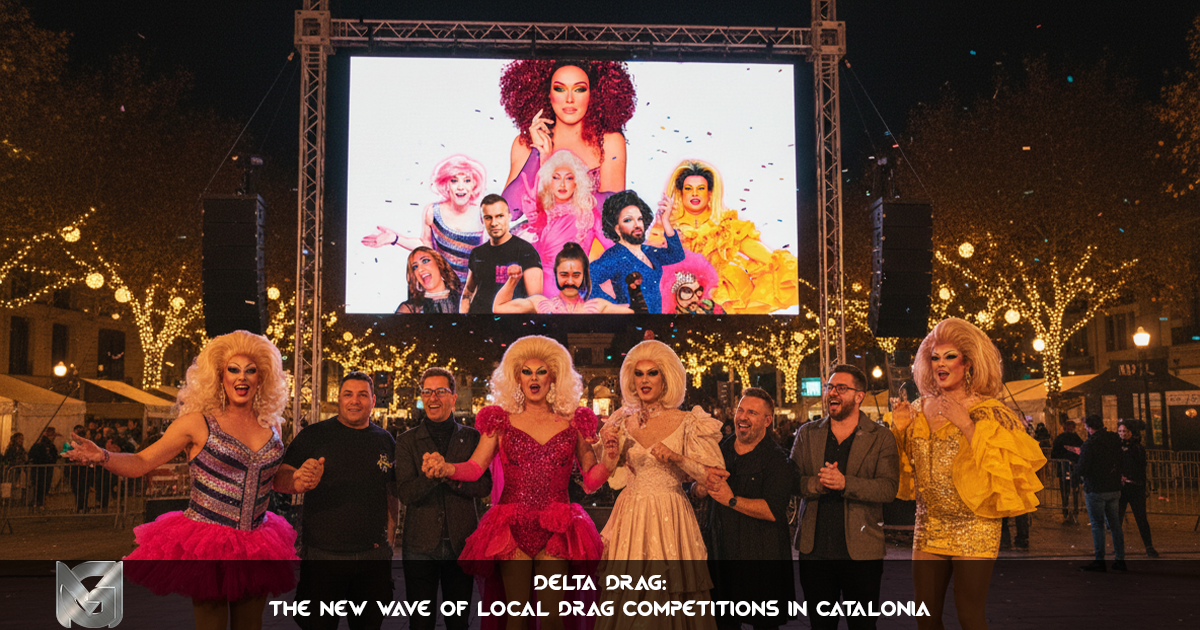
- United States: drag queens become resistance symbols, parents of trans youth sue states.
- Africa: clandestine collectives organize mutual aid despite risks.
7. Impact on Youth and Health
LGBTQ+ youth are especially vulnerable to the Rollback of LGBTQ+ Rights:
- Schools: increased bullying, lack of support, removal of educational programs.
- Health: restricted access to care, higher risk of depression.
- Internet: double-edged sword source of support but also harassment.
8. The Role of International Institutions
- European Union: official condemnations, financial sanctions, but difficulty enforcing change.
- United Nations: symbolic resolutions, but Security Council blockades.
- International NGOs: documentation, alerts, legal support.
9. Outlook and Future Challenges
- Risks: normalization of hate speech, contagion to other minorities, weakened democracies.
- Hopes: growing mobilizations, new allies (businesses, artists, cities), changing attitudes among younger generations.
- Strategies: strengthen international solidarity, invest in education, support independent media, defend asylum rights for LGBTQ+ refugees.
Conclusion
The Rollback of LGBTQ+ Rights is not inevitable. Despite the conservative wave, civil society shows remarkable resilience and creativity. Vigilance, solidarity, and visibility remain essential tools against repression. It’s up to everyone citizens, media, institutions to tirelessly defend equality and human dignity.
Official sources and NGOs: ILGA Europe, Human Rights Watch, Amnesty International, European Court of Human Rights, United Nations, national LGBTQ+ reports.
For comments or projects, please contact me.