Introduction
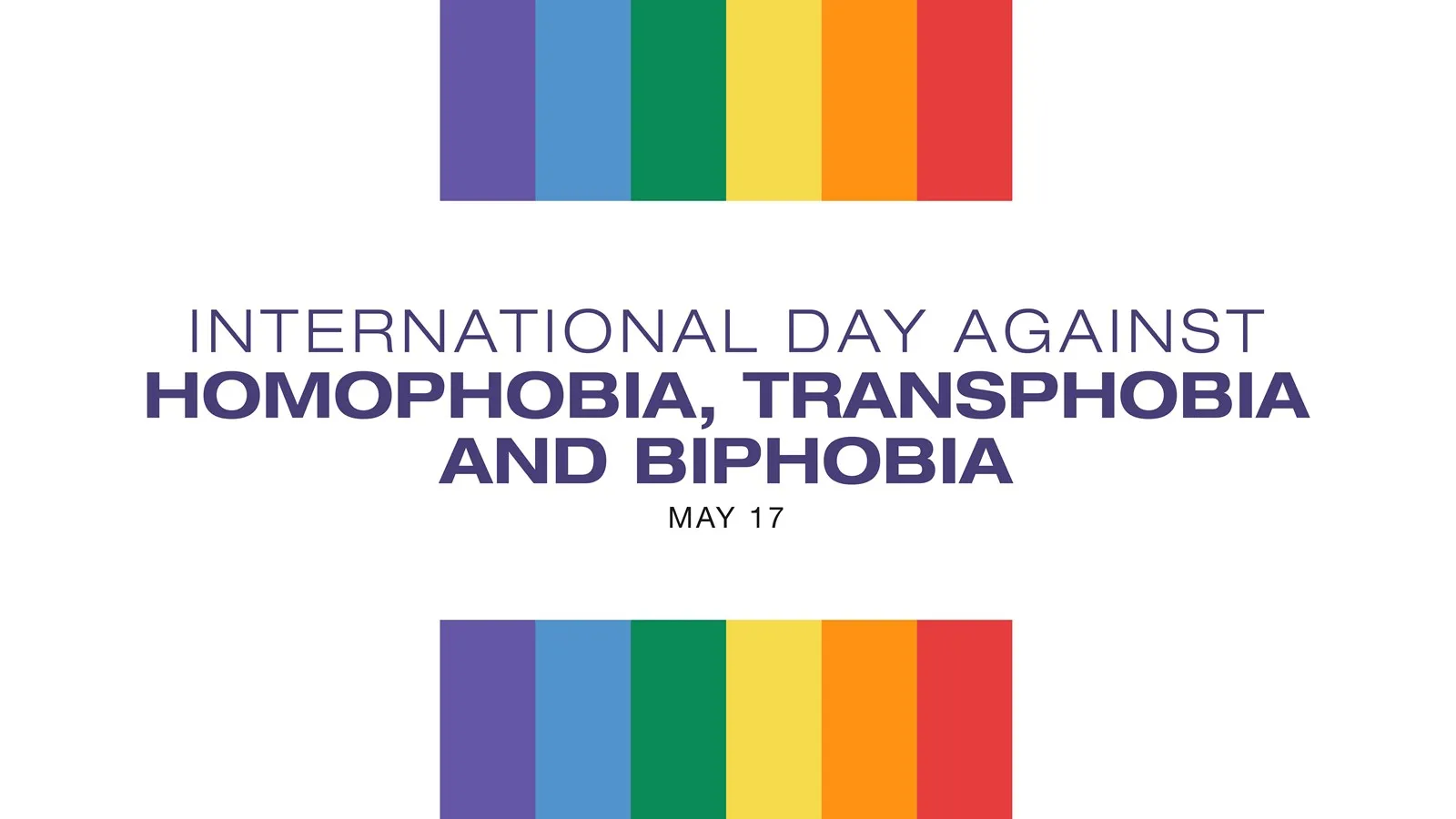
Homophobia is a persistent and deeply rooted issue that continues to impact the lives of LGBTQ+ individuals worldwide. Each year, the International Day Against Homophobia, Transphobia, and Biphobia, observed on May 17th, brings together millions of people in a unified stand against discrimination and violence. This day is not just symbolic it is a real driver for awareness, education, and political change, highlighting the urgent need to combat Intolerance toward homosexuals in all its forms and across all societies.
The Global Reality
Despite important legislative progress in many countries, homophobia remains a daily threat for millions. In over 60 nations, same-sex relationships are still criminalized, and in some, they are even punishable by death. This legal repression is compounded by social stigma, leading to exclusion, harassment, and violence. Even where laws are more inclusive, Intolerance toward homosexuals can manifest through bullying, microaggressions, and institutional barriers. The International Day is a reminder that the fight for equality is far from over and that vigilance is required everywhere.
The Social and Psychological Impact
It has severe consequences for mental health and well-being. LGBTQ+ people facing discrimination are at higher risk for depression, anxiety, and suicidal ideation. Social exclusion can lead to homelessness, unemployment, and limited access to healthcare. By raising awareness, the International Day Against Homophobia aims to break the cycle of silence and shame, encouraging empathy and solidarity. The psychological scars caused by Intolerance toward homosexuals can last a lifetime, making prevention and support all the more urgent.
Political and Civic Mobilization
Governments play a crucial role in combating that. Each year, the International Day Against Homophobia is an opportunity for leaders to reaffirm their commitment to human rights. Many countries use this occasion to introduce new anti-discrimination laws, launch public campaigns, or expand support services for victims. These actions are essential for creating safer environments and setting a clear tone of zero tolerance for Intolerance toward homosexuals at every level of society.
Policy Progress and Remaining Challenges
While progress has been made, the fight against homophobia requires constant vigilance. Backlash and attempts to roll back rights can occur at any time. It is crucial that anti-discrimination policies are enforced and that education systems teach respect for diversity from an early age. The International Day provides a global platform to measure progress, identify gaps, and hold decision-makers accountable. Policy change is essential, but so is the cultural shift that turns laws into lived reality.
NGOs, Institutions, and Community Leaders
Non-governmental organizations and grassroots activists are at the heart of the International Day Against Homophobia. Through conferences, workshops, campaigns, and public events, they educate the public, provide resources, and create safe spaces for LGBTQ+ people. Institutions such as schools, healthcare providers, and faith groups are encouraged to participate, reinforcing the message that Intolerance toward homosexuals has no place in any part of society.
Community Stories and Global Solidarity
Across the globe, inspiring stories emerge on May 17th. Cities illuminate monuments in rainbow colors, organize marches, art exhibitions, and film screenings to raise visibility. Personal testimonies shared on this day remind us of the courage it takes to confront homophobia and the power of collective action to create change. These stories highlight resilience and hope, showing that progress is possible even in the face of adversity.
Impact on Policy and Social Attitudes
The International Day is more than symbolic it has a real impact on laws and mindsets. The attention it generates often leads to new protections, the creation of anti-discrimination bodies, and the funding of support services for victims. International pressure can also influence countries where progress is slow, encouraging more inclusive policies and a stronger stance against Intolerance toward homosexuals. The day also empowers activists and organizations to keep pushing for change throughout the year.
Educational Initiatives
Education is a powerful tool in the fight against homophobia. Schools that implement inclusive curricula and anti-bullying programs help reduce prejudice from an early age. Workshops, media campaigns, and public discussions foster understanding and empathy, breaking down barriers between communities. The International Day is an opportunity for educators and institutions to renew their commitment to diversity and respect.
The Role of Media and Culture
Media coverage of the International Day Against Homophobia amplifies its impact. News stories, documentaries, and social media campaigns raise awareness and foster dialogue. Visibility in films, television, and literature helps normalize LGBTQ+ identities and challenge stereotypes that fuel Intolerance toward homosexuals. Cultural events such as theater performances, art exhibitions, and music festivals also play a crucial role in changing hearts and minds.
Looking Forward: Sustaining the Fight Against Homophobia
As long as Intolerance toward homosexuals exists, the need for the International Day Against Homophobia remains. It is a reminder that equality is a continuous struggle requiring commitment from every sector of society. By supporting LGBTQ+ rights, challenging prejudice, and celebrating diversity, we move closer to a world free from discrimination. The collective energy generated each May 17th must be sustained year-round, turning awareness into action and solidarity into lasting change.
Conclusion
Homophobia is a global issue that demands our attention and action. The International Day stands as a beacon of hope, uniting people in the fight for dignity and respect. Through education, policy change, and solidarity, we can create a world where everyone is free to be themselves without fear.
For comments or projects, please contact me.