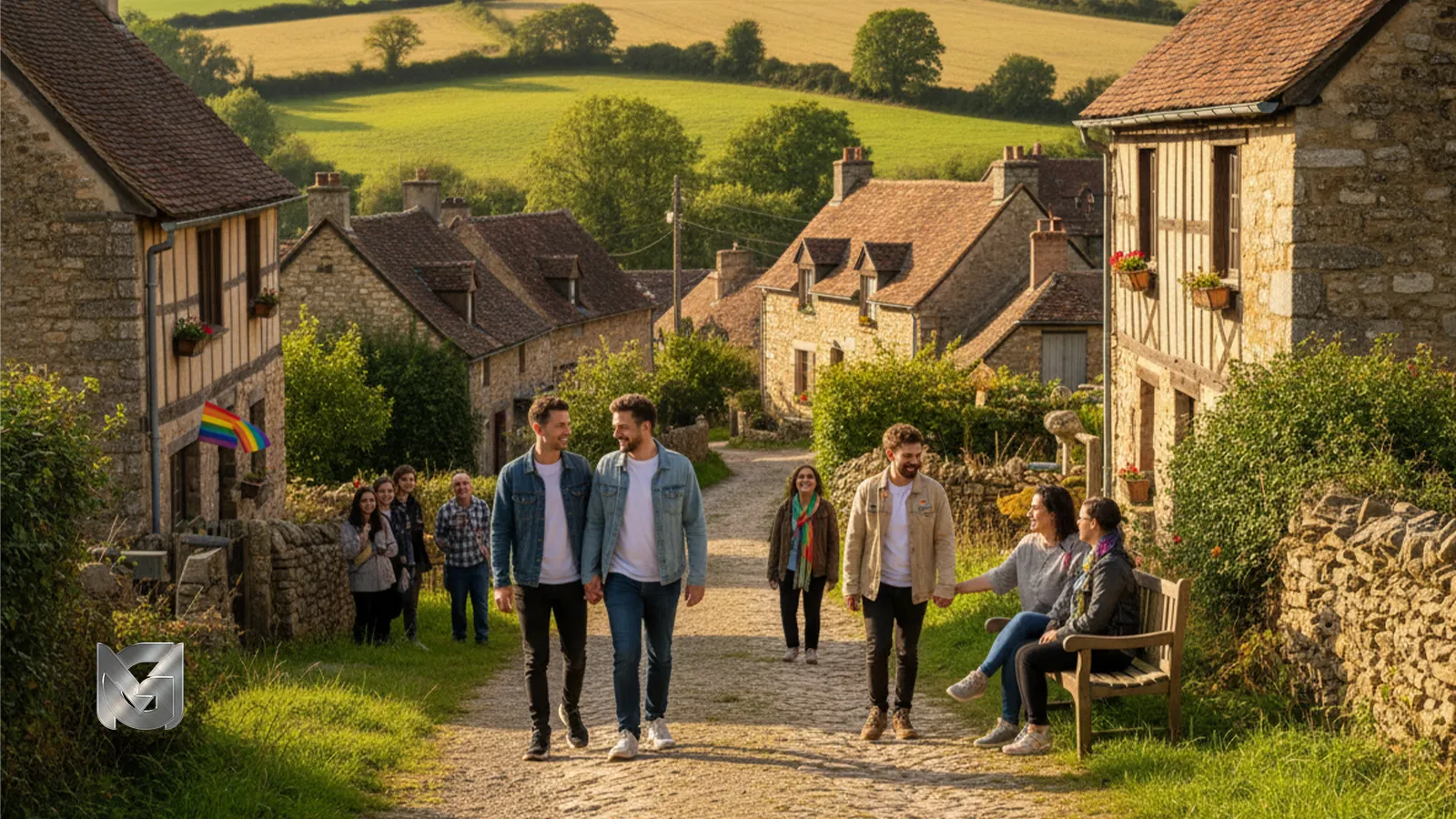
Gay rural visibility is an increasingly important topic in rural Europe, where LGBTQ+ people face unique challenges but also discover new sources of hope. A recent DW report highlights the daily experiences of LGBTQ+ individuals living in the countryside, revealing both persistent obstacles and emerging initiatives fostering greater inclusion. This article offers a deep dive into rural queer realities, the political context, and inspiring examples of resilience and community-building.
The Rural LGBTQ+ Experience: Isolation and Invisibility
In many European countries, Gay rural visibility remains limited. LGBTQ+ people living in rural areas often confront isolation, the lack of safe spaces, and restricted access to support networks. The invisibility of queer communities can reinforce feelings of loneliness and even fear. Coming out remains a major hurdle, especially in regions where traditional values dominate and where homophobia or transphobia persist. According to ILGA-Europe, over 54% of rural LGBTQ+ youth report not feeling supported by their local community, which stifles Gay rural visibility.
Political Context and Policy Gaps
Despite significant progress in major cities, Gay rural visibility is still fragile in the countryside. National anti-discrimination laws do not always translate into local acceptance or protection, leaving rural LGBTQ+ people more vulnerable. Political debates often focus on urban centers, neglecting the specific needs of rural populations. For example, the European LGBTIQ Equality Strategy 2026-2030 outlines actions, but their concrete application in rural areas remains uneven, slowing the advance of Gay rural visibility.
Obstacles: Discrimination, Mental Health, and Migration
Discrimination takes many forms, from exclusion in schools or workplaces to harassment or violence. Mental health is particularly affected by isolation, with few resources available for LGBTQ+ youth or elders. A 2025 survey shows that 57% of rural LGBTQ+ youth meet the threshold for depression, compared to 45% in urban settings. This vulnerability, tied to low Gay rural visibility, drives many to migrate to cities in search of acceptance and connection, further fueling rural exodus and weakening countryside diversity.
Seeds of Hope: Local Initiatives and Grassroots Movements
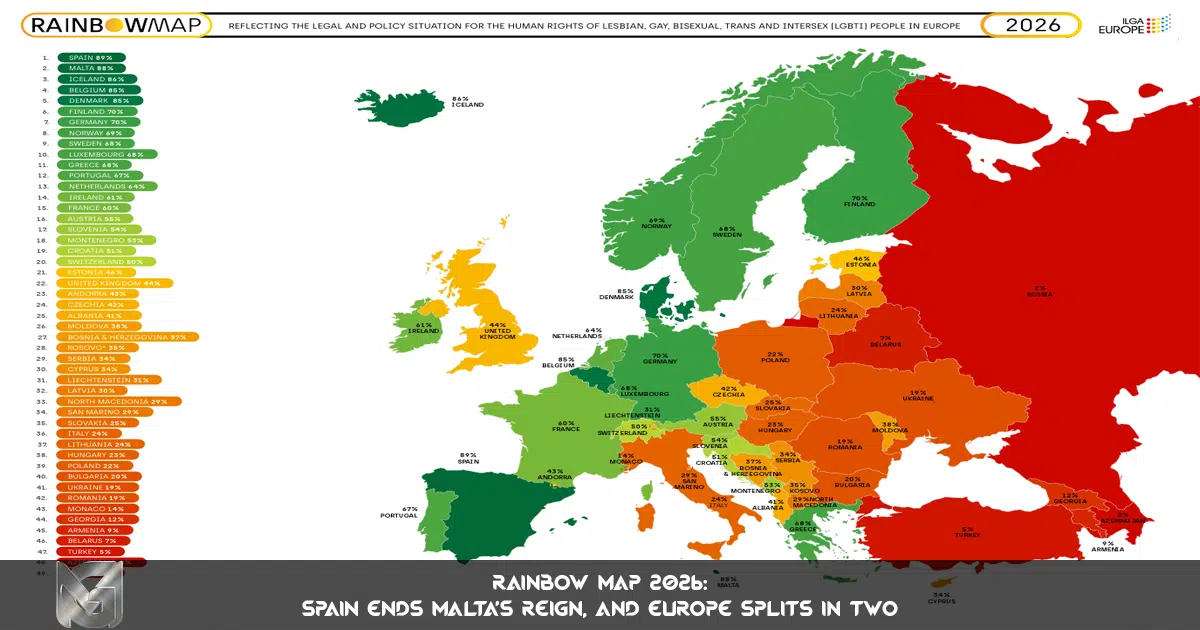
Despite these challenges, Gay rural visibility is growing thanks to inspiring initiatives. LGBTQ+ support groups are emerging, Pride events are being organized even in small towns, and inclusive education is progressing thanks to dedicated teachers and associations. Digital platforms play a key role in breaking isolation and sharing resources. Rainbow farms and queer-friendly community centers offer safe spaces, fostering solidarity and illustrating the power of Gay rural visibility. According to the Rainbow Map 2025, countries like Malta and Portugal stand out for their active support policies, which encourage visibility and inclusion.
The Role of Allies and Local Political Engagement
Allies are crucial for Gay rural visibility: teachers, healthcare workers, local officials, but also farmers or shopkeepers who stand up for equality. Local political engagement, such as lobbying for inclusive policies or LGBTQ+ activists running for public office, helps bridge the gap between national laws and daily reality. The visibility of LGBTQ+ people and their allies in rural areas is a powerful lever for change.
Looking Forward: Building Inclusive Rural Futures
To ensure true equality, Europe must address the specific needs of rural LGBTQ+ communities: investing in education, healthcare, and social services accessible beyond major cities. It is also essential to amplify rural queer voices in policy debates and media representation. As Gay rural visibility grows, the future of Europe’s countryside looks more diverse, supportive, and inclusive.
Conclusion
Gay rural visibility is both a challenge and an opportunity. In 2025, LGBTQ+ visibility in European rural areas remains fragile, but local initiatives, ally support, and political engagement are paving the way for a more inclusive future. Continued efforts are needed so that everyone, wherever they live, can be visible, accepted, and supported.
For comments or projects, please contact me.