Belgrade Pride 2026
- 📍Manjez Park & city centre, Belgrade, Serbia
- 🗺Manjez Park, Kralja Milana / Resavska, 11000 Belgrade, Serbia
Belgrade Pride 2026 is one of the most courageous dates in the European calendar, a Pride that has fought hard simply to take place. Marking its 25th anniversary, it runs a Pride Week from 31 August to 6 September 2026, with the march itself on Saturday 5 September, setting off from Manjez Park in the centre of the Serbian capital. Belgrade Pride 2026 carries its original 2001 slogan, “There is room for all of us”, a reminder that here the fight for equality is far from won.
A Pride that had to fight to exist
Belgrade’s Pride history is a hard one. The first attempt in 2001 was attacked by hooligans and the far right, and the 2010 march ended with around 140 people injured, most of them police. It was only from 2016 that the march could be held without major violence, and it has run each year since. That backstory is why marching here still means something different from marching in Berlin or Madrid.
A protest, not just a party
In recent years the organisers have framed the event as a protest march rather than a festival, dropping much of the celebration amid Serbia’s political crisis and holding minutes of silence for victims of state failures. Expect a serious, political tone, closer to the Prides of twenty years ago in western Europe than to today’s corporate parades.
The march on Saturday 5 September
The march is the core of the week, starting at 4pm on Saturday 5 September from Manjez Park and looping through central Belgrade under heavy police protection. The exact route is often adjusted at the last minute for security reasons, so the final details are confirmed close to the day. Turning out is an act of solidarity as much as celebration.
Around the march
The wider Pride Week programme adds talks, film screenings, exhibitions and community gatherings across the city, building up to the Saturday walk. It is where Belgrade’s LGBTQ+ community and its international supporters come together, and it draws activists from across the Balkans and beyond.
A city on the rise
For all the difficulty around its Pride, Belgrade is one of Europe’s most energetic and affordable capitals, with a famous riverside nightlife and a small but determined queer scene. Visitors who come for the march often stay for the city, discovering a place that is far more open in practice than the headlines about the walk itself suggest. That contrast is part of what makes attending worthwhile: solidarity on the day, and a genuinely rewarding city break around it. Come with respect for the local context, follow the organisers’ guidance, and the Serbian capital repays the effort.
Practical information for Belgrade Pride 2026
Belgrade Pride 2026 runs its Pride Week from 31 August to 6 September 2026, with the march on Saturday 5 September from Manjez Park, at the corner of Kralja Milana and Resavska, 11000 Belgrade. Events are free. Because routing and security can change late, always check the official channels in the final days and follow any guidance on the day. The event is organised by the Belgrade Pride association.
Planning a wider Pride season
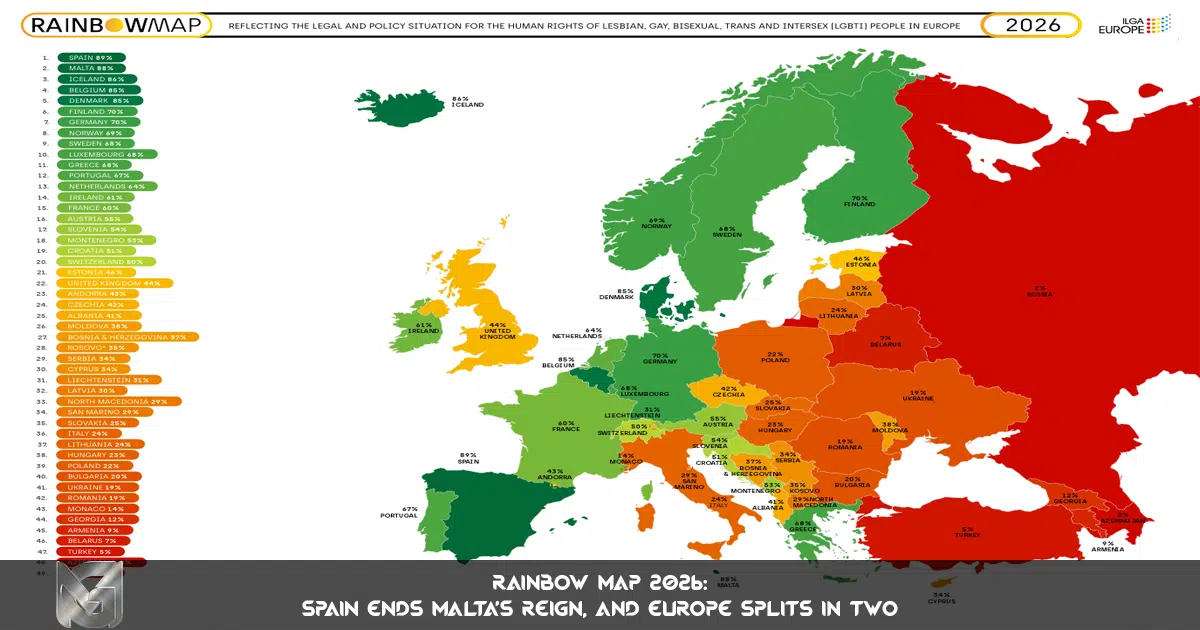
Belgrade sits at the harder end of Europe’s Pride map; our guide to Pride in Europe in 2026 sets it in the context of the wider calendar and the very different conditions from city to city.
Why Belgrade Pride 2026 matters
Belgrade Pride 2026 is not the easiest Pride to attend, and that is exactly the point. Turning up is a genuine act of solidarity with a community that still marches under protection, in a country where the road to equality is long. For travellers who want their Pride to mean something beyond the party, few dates in Europe carry more weight than Belgrade.
For comments or projects, please contact me.